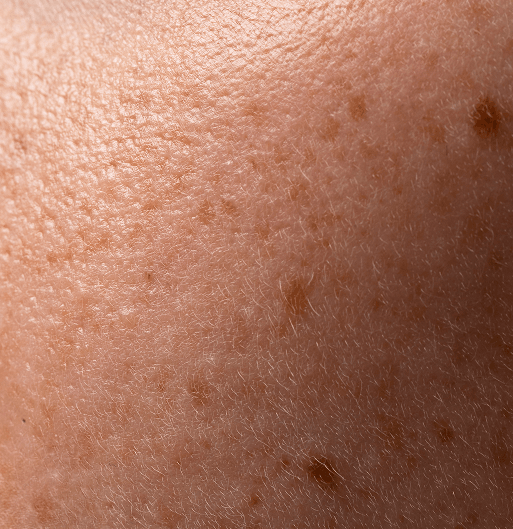
Pigmentation is one of the most common concerns seen in the treatment room, yet it is also one of the most misunderstood. Many traditional approaches focus on exfoliating or suppressing pigment at the surface. However, true correction requires a deeper understanding of what is happening at the cellular level. Pigmentation is not simply a cosmetic issue, it is the result of complex biochemical activity, cellular signaling, and skin function.
For estheticians seeking long-term results for their clients, the focus must shift from surface level correction to addressing pigment at the source. Understanding melanogenesis, the causes of pigment overproduction and overstabilization, and how peptide technology can regulate these processes is essential for modern, results-driven skincare treatments.
Understanding Melanin and Pigment Formation
Melanin is produced by melanocytes located in the basal layer of the epidermis. It is stored in organelles called melanosomes and transferred to keratinocytes, where it forms a protective shield over the nucleus to defend against environmental stressors such as ultraviolet radiation.
There are two primary types of melanin. Eumelanin produces deeper brown to black pigment and offers greater protection, while pheomelanin produces red to yellow tones and is more reactive to oxidative stress. The balance between these two types plays a significant role in how the skin responds to environmental triggers and how pigmentation develops.
Melanin production, known as melanogenesis, is a natural and protective process. However, when this process becomes dysregulated, it leads to uneven skin tone, hyperpigmentation, and persistent discoloration.
Melanogenesis and Cellular Signaling
Melanogenesis occurs within melanocytes and is triggered by internal and external signals, including ultraviolet exposure, inflammation, hormonal fluctuations, and oxidative stress. At the core of this process is cellular communication.
Melanocyte activity is regulated by signaling pathways involving melanocyte stimulating hormone and transcription factors such as MITF. These signals activate enzymes like tyrosinase, which drives melanin production.
In a healthy system, melanin production increases in response to stress and then returns to baseline once the trigger is removed. However, when signaling becomes dysregulated, melanocytes remain active, leading to ongoing pigment production.
This is where epigenetic modulation plays a role. Environmental stress, inflammation, and hormonal changes can activate genetic pathways that increase pigment production as a protective response. While this is beneficial in acute situations, chronic activation leads to long-term pigmentation concerns.
The Two Primary Causes of Pigmentation
To effectively treat pigmentation, estheticians must understand the two primary causes: melanin overproduction and pigment overstabilization.
Melanin Overproduction
Melanin overproduction occurs when melanocytes are continuously stimulated by persistent damage signals. Ultraviolet exposure, inflammation, and oxidative stress increase tyrosinase activity, leading to excessive pigment production.
In the treatment room, this presents as uneven skin tone, dark spots, post-inflammatory hyperpigmentation, and melasma patterns. Even when the initial trigger is removed, melanocytes may remain active, continuing to produce pigment.
Overstabilization and Lipofuscin Formation
The second and often overlooked cause of pigmentation is overstabilization. In this scenario, pigment is not effectively broken down due to slowed cellular metabolism and impaired turnover.
Oxidative stress causes melanin to bind with lipids and metals, forming lipofuscin—a stable pigment complex that is resistant to degradation. Lipofuscin accumulates over time and contributes to stubborn, persistent discoloration that does not respond to traditional treatments.
Why Pigmentation Becomes Difficult to Treat
Stubborn pigmentation is often the result of multiple factors working together. Reduced cellular turnover prevents pigment from being shed efficiently. Impaired lysosomal function limits the skin’s ability to break down pigment. Decreased autophagy and ongoing oxidative stress further contribute to accumulation.
At the core of all of these processes is a breakdown in cellular communication. When cells are not receiving or responding to signals properly, the skin loses its ability to regulate pigment production and breakdown effectively.
Peptide Science: Correcting Pigment at the Cellular Level
Peptides have become a powerful tool in modern skincare because of their ability to influence cellular communication. These short chains of amino acids act as signaling molecules, binding to receptors and delivering targeted instructions to cells.
Unlike traditional approaches that focus on removing pigment, peptides work by regulating the processes that create and maintain pigmentation.
How Peptides Support Pigment Correction
Peptides help restore balance by improving cellular communication and regulating melanocyte activity. They can influence tyrosinase activity, reducing excessive melanin production while supporting normal skin function.
Through receptor binding, peptides can modulate signaling pathways associated with melanocyte stimulating hormone, helping to prevent overstimulation. Carrier peptides enhance this process by delivering active ingredients, such as chelators, directly to the enzyme systems involved in pigment production.
Chelating peptides play an additional role by binding copper and iron, which are required cofactors for melanin synthesis. By reducing the availability of these elements, they help regulate pigment formation and support the breakdown of stabilized pigment complexes like lipofuscin.
This approach creates a balance between reducing pigment production and increasing pigment breakdown, which is essential for achieving long-term results.
Add using target production but targeting pig but we overlook slowing of the breakdown of the melanin itself. Balancing the breakdown.
A Holistic Approach to Pigment Correction
Correcting pigmentation requires a shift in treatment philosophy. Rather than focusing solely on removing pigment, the goal is to address the underlying causes and restore skin function.
This includes regulating melanocyte signaling, supporting pigment breakdown, improving cellular turnover, and strengthening the skin barrier. Reducing inflammation and oxidative stress is equally important, as these are primary triggers of pigment dysregulation.
Professional Treatment and Home Care Protocols
For estheticians, integrating peptide-based protocols into both treatment room services and home care is key to achieving consistent results.
A well rounded approach includes gentle cleansing to support barrier integrity, controlled exfoliation to encourage turnover without triggering inflammation, and targeted corrective products to regulate pigment at the cellular level.
Corrective peptides play a central role in this process by addressing melanocyte activity, improving pigment distribution, and preventing recurrence. Supporting products enhance cellular energy, improve skin function, and create an optimal environment for correction.
Protective products are equally important, as they help maintain barrier integrity, reduce inflammation, and prevent reactivation of pigment pathways.
The Role of Mycoactives and Barrier Support
Supporting the skin’s environment is essential for successful pigment correction. Antioxidant rich ingredients, including mycoactives, help reduce oxidative stress that contributes to pigment formation and stabilization.
Barrier supporting formulations maintain hydration, regulate inflammation, and create a stable environment for the microbiome and cellular function. This not only improves overall skin health but also enhances the effectiveness of peptide based treatments.
Setting Client Expectations and Driving Results
One of the most important aspects of treating pigmentation is setting realistic expectations. Pigment correction is a gradual process that requires consistency and patience.
Clients should understand that immediate results are not expected. Early improvements may include enhanced brightness and more even tone, while noticeable pigment reduction typically occurs over several weeks. Full correction may take several months to a year, depending on the severity of the condition.
Consistency in both professional treatments and home care is essential. Educating clients on the causes of their pigmentation and the importance of ongoing care helps improve compliance and long-term outcomes.
Retailing Through Education
For estheticians, successful retailing is rooted in education. When clients understand how pigment forms and why it persists, they are more likely to commit to a corrective regimen.
Positioning products as part of a complete system, rather than individual solutions, reinforces the importance of consistency and long-term care. Connecting product use to visible results and improved skin health helps build trust and increase client retention.
The Future of Pigment Correction
The future of skincare lies in understanding and supporting the skin at a cellular level. Pigmentation is not simply a surface concern, it is a reflection of how the skin is functioning internally.
By focusing on cellular communication, regulating melanocyte activity, and supporting the skin’s natural processes, estheticians can achieve more predictable and long-lasting results.
Peptide technology represents a shift toward smarter, more targeted skincare. Instead of forcing change, it works with the skin to restore balance and optimize function.
Pigment is not just created, it is communicated. When estheticians correct the signal, support the cell, and strengthen the skin, they create lasting transformation.
For more advanced education, treatment protocols, and peptide based solutions, explore our full platform and elevate your approach to corrective skincare.