By: Shawna Rocha, LE, Educational Consultant, Awaken Esthetics Retreat
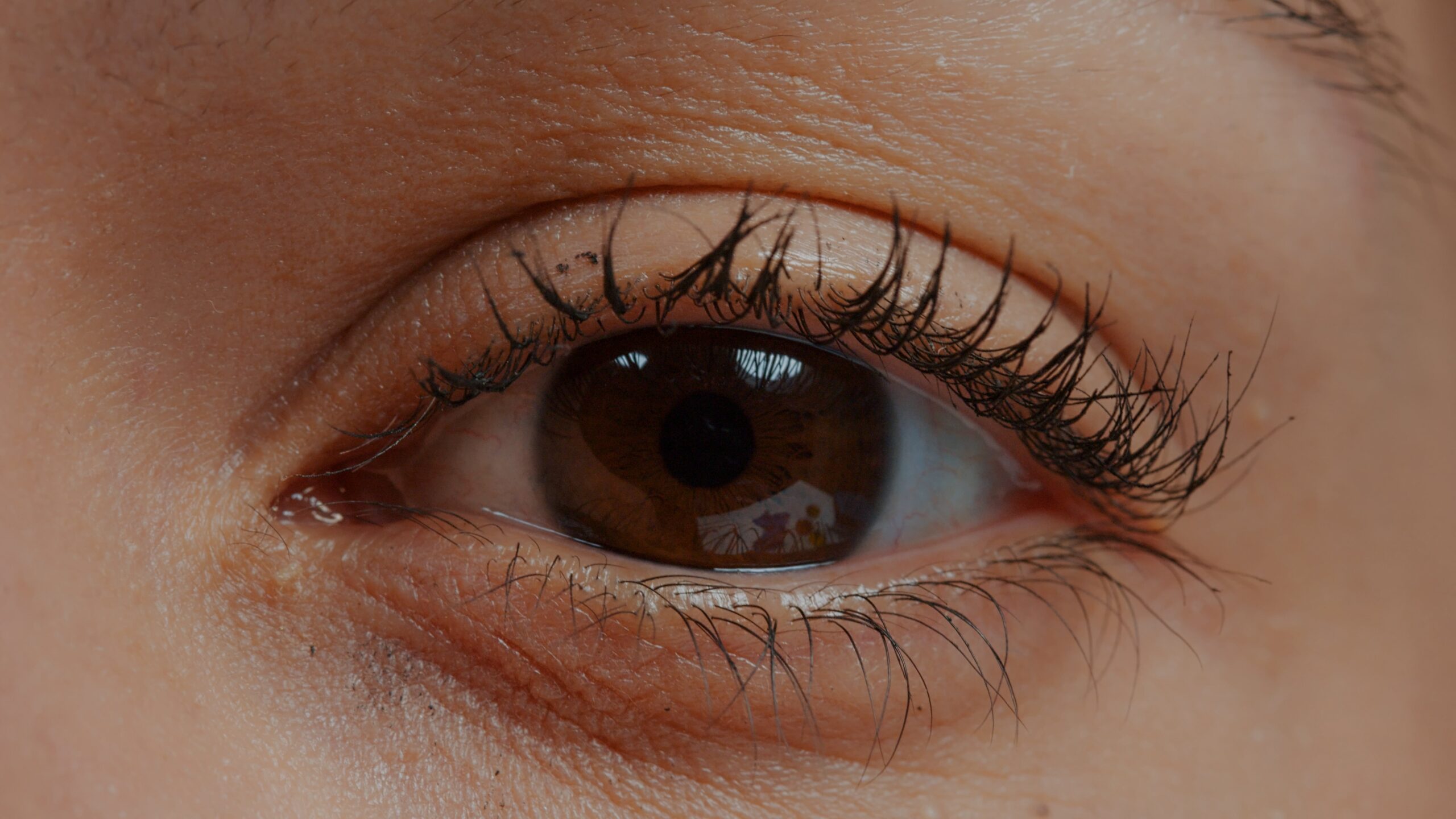
Longer, fuller lashes remain one of the most sought after aesthetic goals among consumers, leading to the rapid growth of the lash serum market. While many products promise similar results, the mechanisms behind these formulations can vary significantly. The two most common categories are hormone based lash serums, often containing prostaglandin analogs, and peptide based lash serums, which support follicular health through cellular communication and biological signaling. Understanding how these ingredients interact with the hair growth cycle provides valuable insight into their benefits, limitations, and long term implications.
Hair growth is a highly regulated biological process consisting of multiple phases that occur continuously throughout life. While eyelashes have a much shorter growth cycle than scalp hair, they still undergo the same fundamental stages of follicular activity. Traditionally, the cycle included anagen, catagen, telogen, exogen, and more recently, a fifth phase known as kenogen has been recognized as an important component of hair cycling.
The first stage is anagen, the active growth phase. During this period, the hair follicle is metabolically active and connected to its blood supply through the dermal papilla. Cellular proliferation occurs within the hair matrix, resulting in the production and elongation of the hair shaft. In eyelashes, anagen typically lasts only several weeks, limiting the maximum length that lashes can achieve naturally. Many lash enhancement strategies focus on supporting this phase because it directly influences hair length and density.
The second stage is catagen, a transitional phase in which cellular activity slows and the follicle begins to involute. The follicle detaches from its blood supply, signaling the end of active growth. During this stage, the lower portion of the follicle regresses and prepares for a resting period.
The third stage is telogen, commonly referred to as the resting phase. During telogen, the lash remains anchored within the follicle but no longer grows. This phase can last several months before the hair is shed and a new cycle begins.
The fourth stage is exogen, the shedding phase. This is when the mature lash is released from the follicle and naturally falls out. Shedding is a normal part of the hair cycle and occurs continuously as follicles cycle independently.
The newest recognized phase is kenogen. Kenogen describes the period between the shedding of a hair and the emergence of a new anagen hair from the follicle. During this interval, the follicle remains empty. Although initially studied in scalp hair biology, kenogen is increasingly recognized as an important factor in overall hair density because prolonged kenogen periods can contribute to visible thinning and delayed replacement of lost hairs. Follicular health and cellular signaling are believed to influence the duration of this phase.
Hormone based lash serums typically contain prostaglandin analogs or prostamide analogs. These compounds were originally developed for ophthalmic conditions such as glaucoma, where increased eyelash growth was observed as a side effect. Researchers later discovered that these compounds influence the hair follicle by prolonging the anagen phase and accelerating the transition from telogen back into anagen. The result is a longer period of active growth, often producing lashes that appear longer, darker, and thicker. Bimatoprost remains the only FDA approved treatment for eyelash hypotrichosis and has demonstrated significant efficacy in clinical studies.
While prostaglandin analogs are effective, they have also been associated with potential side effects. Reported reactions include eyelid irritation, redness, hyperpigmentation of the eyelid skin, iris pigmentation changes, and alterations in the periorbital area. In some individuals, prolonged use has been linked to changes in orbital fat volume around the eye. These concerns have led many consumers and professionals to seek alternative approaches to lash enhancement.
Peptide based lash serums take a fundamentally different approach. Rather than altering the hair cycle through hormone related pathways, peptides function as biological messengers that support cellular communication within the follicular environment. Peptides can influence keratinocyte activity, support dermal papilla function, and promote a healthier environment for hair growth. Their goal is not to force growth, but to optimize follicular performance and support the natural hair cycle.
During the anagen phase, peptides help support the metabolically active follicle by promoting cellular communication and supporting protein synthesis associated with healthy lash formation. During catagen, peptides may help support follicular integrity as the follicle transitions through regression. During telogen, peptides help maintain a healthier follicular environment while the follicle remains dormant. During exogen, peptides support overall follicular health as mature hairs are shed and replacement hairs begin developing. Most importantly, during kenogen, peptides may help support the biological processes involved in reactivating follicular activity and preparing the follicle to reenter the growth phase. While research in this area continues to evolve, maintaining a healthy signaling environment may be critical to minimizing prolonged periods of follicular inactivity.
The distinction between these two approaches ultimately comes down to philosophy. Hormone based serums primarily manipulate the hair cycle to prolong growth, while peptide based serums support the biological environment that allows follicles to function optimally. One approach focuses on extending growth through pharmacologic influence, while the other focuses on supporting the skin and follicle through cellular communication and biological balance.
As consumer awareness continues to grow, many professionals are seeking solutions that align more closely with the body’s natural biology. Peptide based lash serums represent a science driven approach that supports follicular health across all phases of the hair cycle, including the emerging understanding of kenogen. By supporting communication pathways, follicular resilience, and overall hair health, peptides offer a sophisticated alternative for individuals seeking stronger, fuller, and healthier appearing lashes.