By: Mark Viktora, CEO, Head Chemist, VDA Director of Research & Development
The integrity of the skin barrier is central to maintaining cutaneous homeostasis, regulating immune responses, and preserving structural and functional stability within the epidermis. Disruption of this barrier initiates a cascade of molecular and cellular events that contribute to chronic inflammation. This interplay between barrier dysfunction and immune activation is a defining feature of inflammatory skin conditions such as rosacea, eczema, and psoriasis. A deeper understanding of these mechanisms allows for a more targeted and biologically informed approach to treatment.
The stratum corneum functions as a selectively permeable barrier composed of terminally differentiated keratinocytes embedded within a highly organized lipid matrix. This matrix, primarily consisting of ceramides, cholesterol, and free fatty acids, is essential for maintaining hydration and preventing transepidermal water loss. In addition to its structural role, the barrier supports innate immune defense through antimicrobial peptides and maintains a balanced interaction with the skin microbiome. When this system is compromised, permeability increases, allowing for the penetration of environmental irritants, microbial components, and allergens that activate immune signaling pathways.
Barrier disruption leads to the activation of keratinocytes, which function as immunologically active cells capable of releasing pro inflammatory mediators. Cytokines such as IL-1 (interleukin one), IL-6 (interleukin six) and TNF-α (tumor necrosis factor alpha) are upregulated, initiating downstream signaling cascades that recruit immune cells and amplify inflammation. This process is further reinforced through activation of pattern recognition receptors, including toll like receptors, which detect microbial and environmental stimuli. The result is a sustained inflammatory response that not only contributes to clinical symptoms but also further impairs barrier repair mechanisms, creating a self perpetuating cycle.
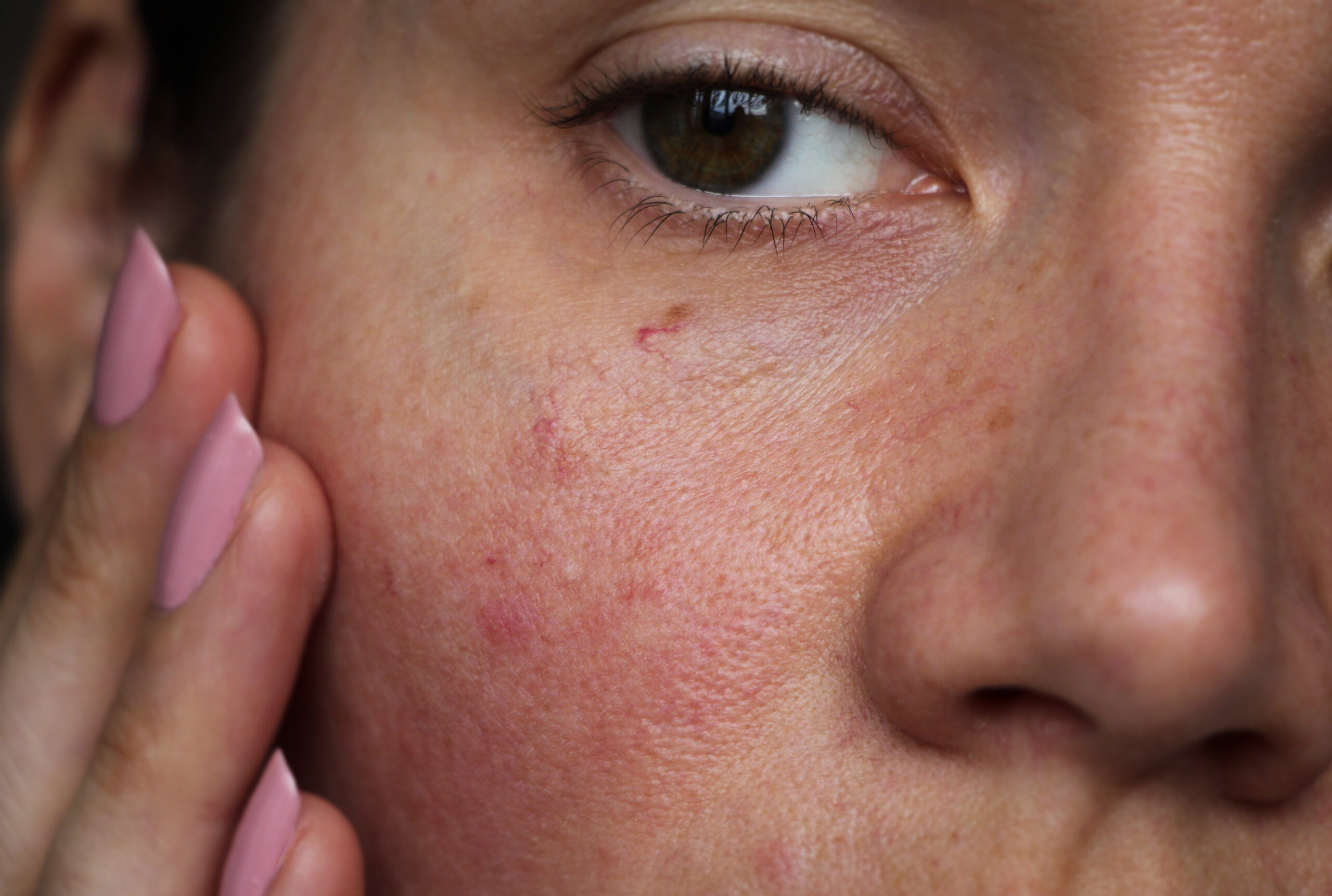
In rosacea, barrier dysfunction is closely linked to dysregulation of both innate immune responses and neurovascular signaling. Increased expression of antimicrobial peptides, particularly cathelicidin, and its abnormal processing contribute to enhanced inflammatory activity. This is coupled with heightened sensitivity of cutaneous blood vessels, leading to vasodilation and persistent erythema. The compromised barrier facilitates increased penetration of external triggers, including ultraviolet radiation and heat, which further activate inflammatory pathways and exacerbate clinical presentation.
Eczema, or atopic dermatitis, is characterized by significant structural and functional abnormalities within the epidermal barrier. Mutations or deficiencies in filaggrin and other structural proteins impair keratinocyte differentiation and reduce the formation of natural moisturizing factors. This results in increased transepidermal water loss and a weakened barrier that is more susceptible to allergen penetration. The immune response in eczema is largely driven by T helper two mediated pathways, leading to the production of cytokines that promote inflammation and pruritus. The compromised barrier also contributes to microbial imbalance, which further stimulates immune activation and perpetuates inflammation.
Psoriasis involves a complex interaction between immune dysregulation and abnormal keratinocyte proliferation. The condition is driven by activation of dendritic cells and T helper seventeen pathways, resulting in elevated levels of cytokines. These cytokines promote rapid keratinocyte turnover and disrupt normal differentiation processes. Although the epidermis becomes thickened, the barrier remains functionally impaired due to incomplete maturation of the stratum corneum. This leads to increased water loss and continued activation of inflammatory signaling pathways, reinforcing the chronic nature of the condition.
The skin microbiome plays a critical role in modulating both barrier function and immune responses. A stable and diverse microbial environment supports barrier integrity and helps regulate immune signaling. However, barrier disruption alters the microenvironment, leading to dysbiosis and shifts in microbial populations. These changes can activate innate immune pathways and further contribute to inflammation. Additionally, microbial signaling mechanisms influence the behavior of both commensal and pathogenic organisms, impacting the overall inflammatory state of the skin.
Effective management of chronic inflammatory skin conditions requires a shift toward strategies that support barrier repair and regulate immune signaling at the cellular level. Restoration of lipid organization within the stratum corneum, reduction of transepidermal water loss, and modulation of inflammatory cytokine activity are essential components of treatment. Supporting the skin microbiome and maintaining equilibrium within the cutaneous environment further enhances barrier recovery and reduces the likelihood of recurrent inflammation.
The relationship between barrier dysfunction and chronic inflammation underscores the importance of a biologically aligned approach to skin care. Rather than relying on aggressive or disruptive interventions, treatment should focus on restoring structural integrity, regulating immune responses, and supporting the skin’s natural defense systems. By addressing these underlying mechanisms, it is possible to improve skin resilience, reduce inflammatory activity, and achieve more consistent and sustainable outcomes in conditions such as rosacea, eczema, and psoriasis.